Night Mode Titans: Which Phone Takes the Best Low-Light Photos?
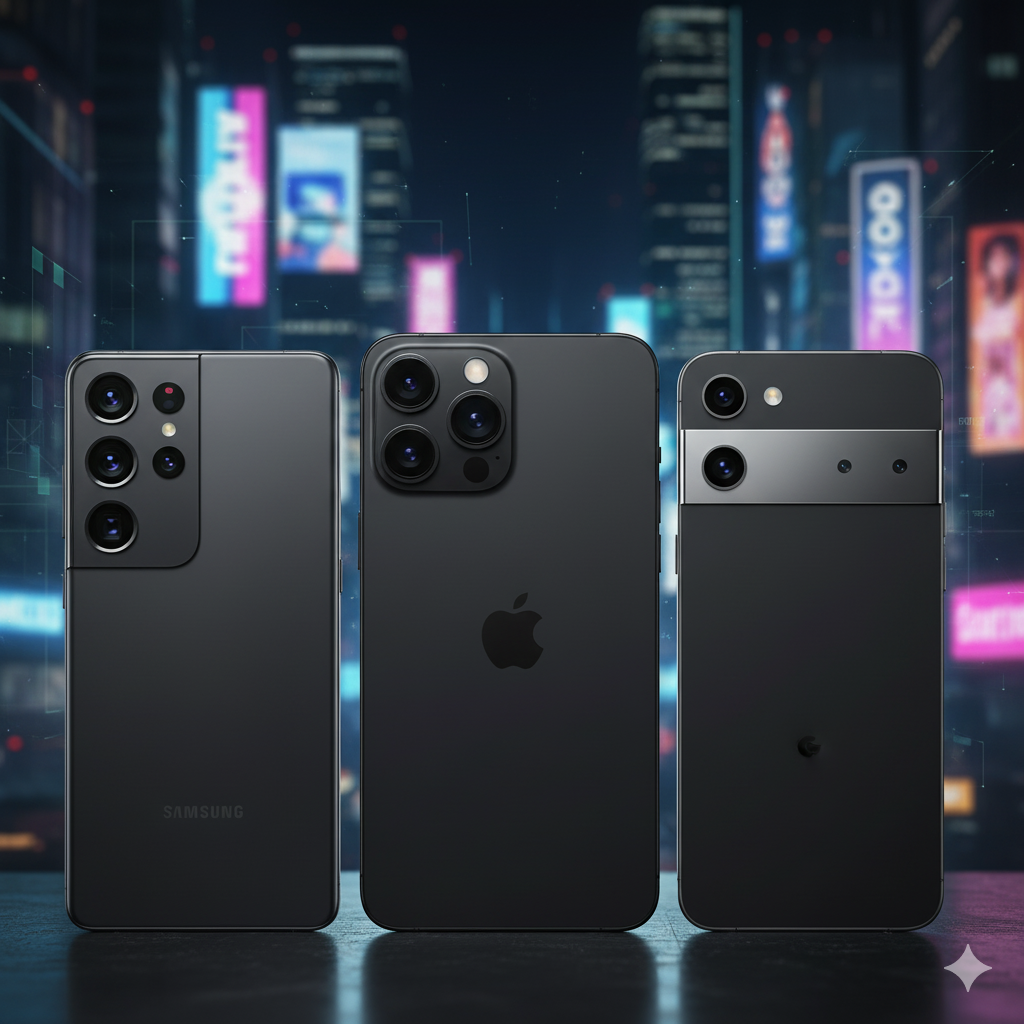
Welcome to 2025, where the battle for smartphone supremacy is waged in the dark. The era of grainy, blurry night photos is a distant memory, replaced by an age of computational wizardry and advanced sensor technology that turns midnight into midday. With nearly every flagship phone promising to capture the perfect moonlit portrait or neon-soaked cityscape, the choice has never been tougher. This year’s titans—the Samsung Galaxy S25 Ultra, Apple iPhone 17 Pro, and Google Pixel 10 Pro—each bring a unique philosophy to conquering the dark. We put them head-to-head to determine which phone is the undisputed king of low-light photography.
2025 Market Statistics
The Contenders
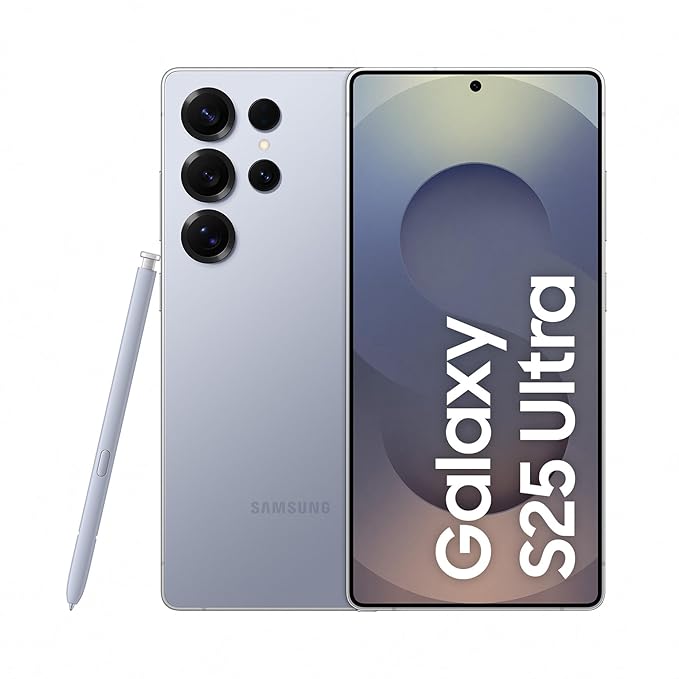
Samsung Galaxy S25 Ultra
Hardware Overkill
Samsung continues its hardware-first approach with a groundbreaking 1.2-inch 200MP sensor and a variable f/1.4 aperture, capturing more raw light than any competitor for unparalleled detail and minimal noise.
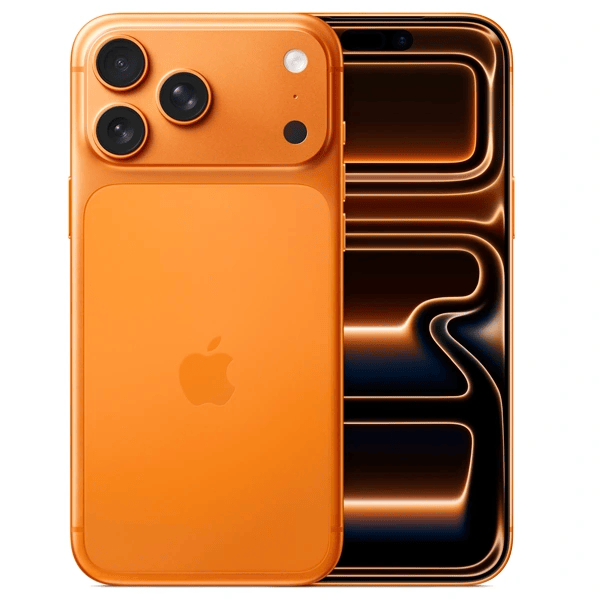
Apple iPhone 17 Pro
Photonic Realism
Apple’s A19 Bionic chip powers the next-generation Photonic Engine, focusing on true-to-life color science and dynamic range. It produces the most natural-looking night photos that capture the mood of the scene perfectly.
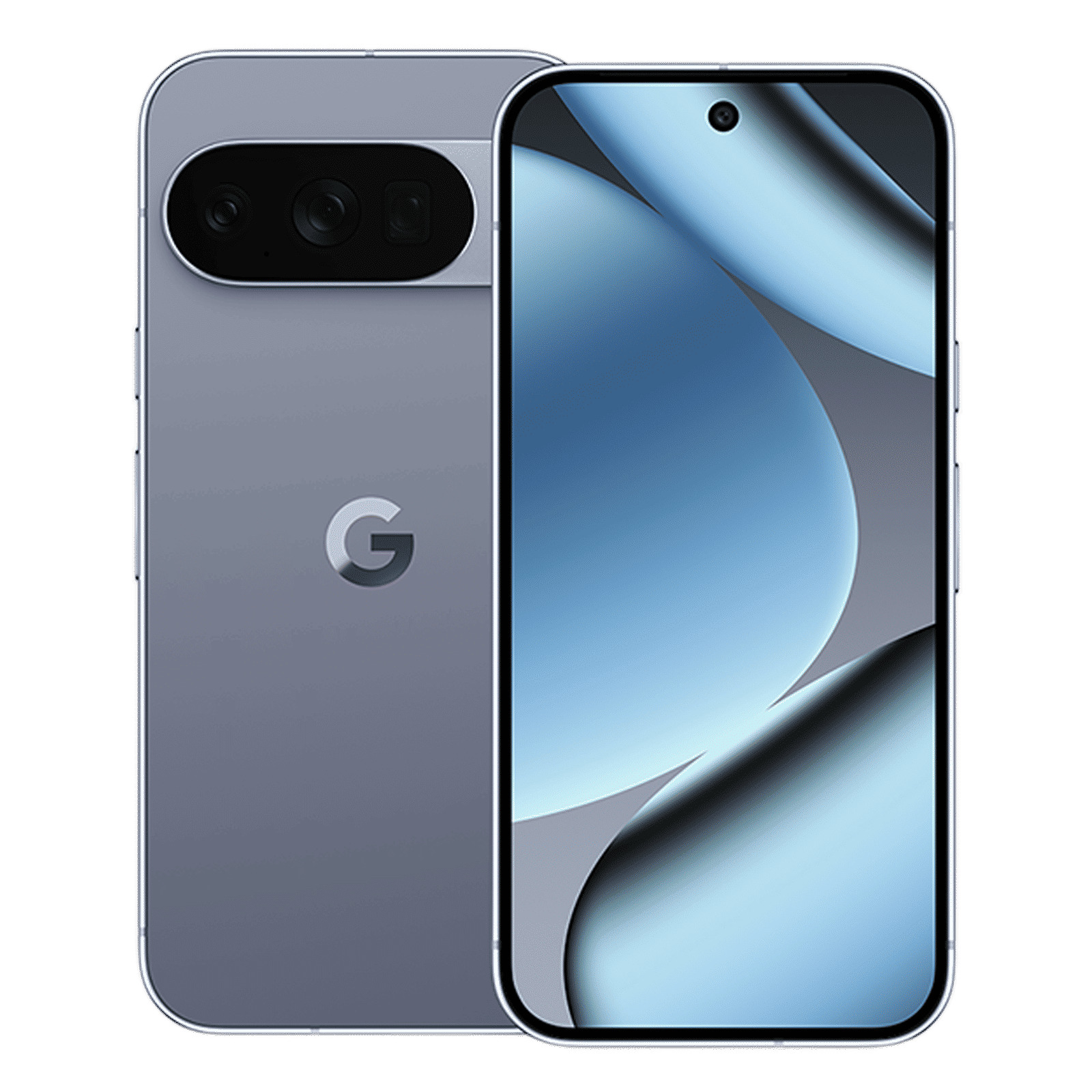
Google Pixel 10 Pro
AI Ascendancy
Powered by the Tensor G5 chip, Google’s Night Sight transcends traditional photography. It uses generative AI to de-noise, enhance detail, and perfect exposure in real-time, delivering magical results with zero effort.
Performance Analysis
Detailed Analysis
In 2025, smartphone night photography has reached unprecedented levels. Each device brings unique strengths to low-light scenarios. The Samsung Galaxy S25 Ultra leans on its formidable hardware; its massive sensor fundamentally captures more photons, providing a cleaner, more detailed base image for its AI to refine. This results in breathtaking clarity, especially when zooming in the dark. In contrast, the iPhone 17 Pro prioritizes authenticity. Its processing is less aggressive, preserving the actual ambiance of a scene. The A19 Bionic chip excels at semantic rendering, understanding different elements in the photo to apply nuanced adjustments, ensuring skies look dark and moody while city lights pop without artificial halos. The Google Pixel 10 Pro remains the master of software. While its hardware is a step behind Samsung’s, its AI processing is years ahead. It can salvage shots in near-pitch-black conditions that other phones can’t, creating a bright, usable image from seemingly nothing. These advancements are built upon years of research in sensor technology and the rapid evolution of computational photography, trends that continue to redefine what’s possible.
The Verdict
Best Overall
Samsung Galaxy S25 Ultra
For those who want the most detailed, vibrant, and technically impressive low-light shots, the S25 Ultra’s superior hardware gives it an undeniable edge. It’s the ultimate night photography champion.
Best for Authenticity
Apple iPhone 17 Pro
If your goal is to capture the night as you see it, the iPhone 17 Pro excels. It delivers the most authentic and color-accurate night photos with beautiful, natural detail preservation.
Best for Simplicity
Google Pixel 10 Pro
For point-and-shoot magic, nothing beats the Pixel. Its unmatched computational photography creates stunning, share-worthy results in any lighting condition with zero user input.
PricePinger is proudly powered by WordPress